entry-07
Cutting over from mesh Wi-Fi to a managed network, live
Moving routing and DHCP off a Deco mesh onto a TP-Link ER605 and a managed switch, with the Deco dropped to AP mode, while HA DNS and the Proxmox services stayed up.
revisions rev. 1 first set 2026-10-23 last revised 2026-10-23 3 min read
series / netlab part 1 of 4 all parts → next →
Project 1 built the services: HA DNS, recursive resolution, monitoring, Proxmox. They ran on a flat network with a Deco mesh doing routing, DHCP, and Wi-Fi all at once.
Project 2, Phase 1, moves routing and DHCP onto dedicated gear: a TP-Link ER605 and a managed PoE switch under an Omada controller, with the Deco dropped to access-point mode. A live cutover, with a house full of clients and a DNS stack that everything depends on.
The target
ONT -> AT&T Gateway (IP Passthrough)
     -> ER605                 router / firewall / DHCP
     -> TL-SG2210P            managed PoE switch
        - Deco APs            AP mode only, Wi-Fi, no routing
        - Proxmox host
        - HA DNS pair         Pi nodes (PoE)
        - clients
The hardware isn’t the point. Separating roles that a mesh collapses together is. The ER605 routes and hands out DHCP. The switch does L2 and powers the Pis over PoE. The Deco just does radio. That separation is what makes VLAN segmentation possible later, and this phase is the foundation it sits on.
Doing it without dropping DNS
What made this safe was that the DNS layer was already resilient. Pi-hole
HA with a Keepalived VIP means clients point at one address
(192.0.2.20) regardless of which node answers. As long as the new
network kept that VIP reachable and kept handing it out as the DNS server,
clients wouldn’t notice.
So the plan was ordered around validation, not speed:
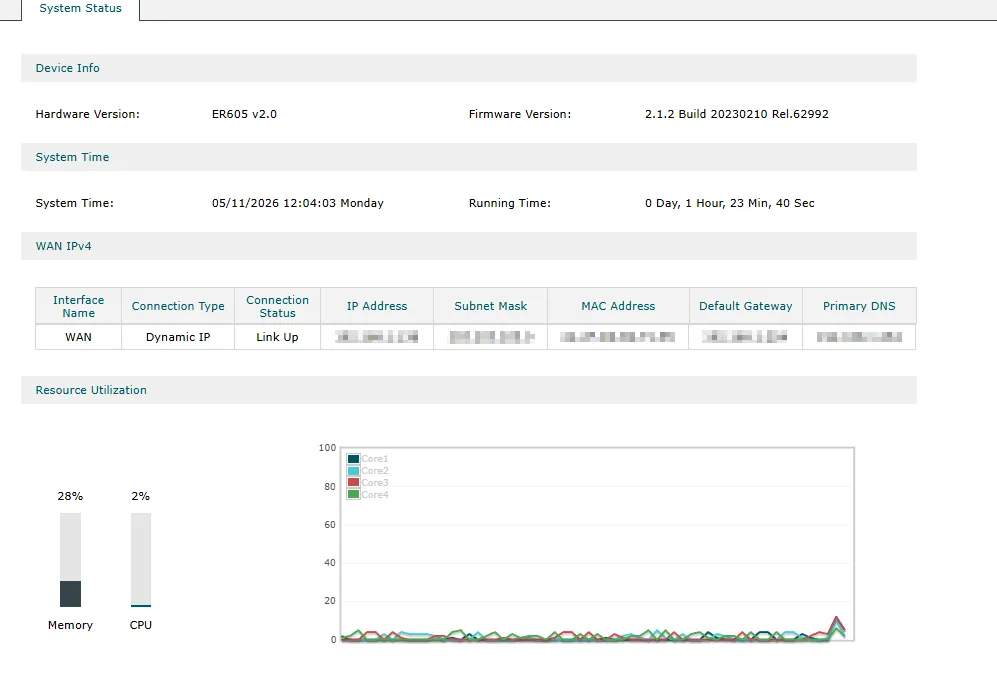
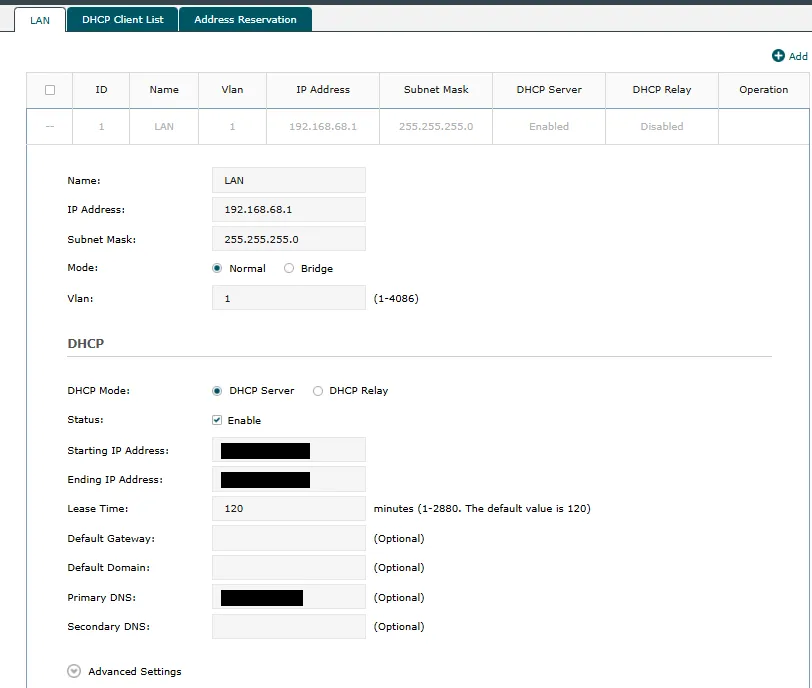
- ER605 online on the WAN, LAN configured on the existing subnet.
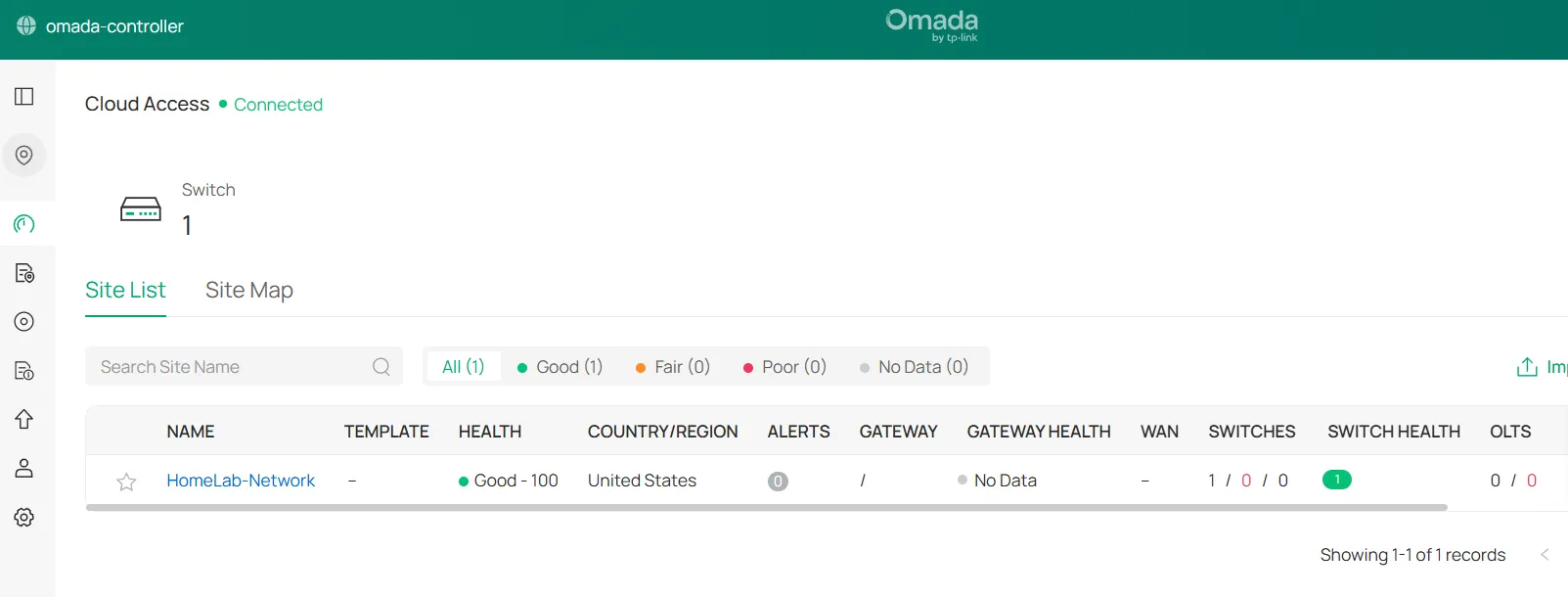
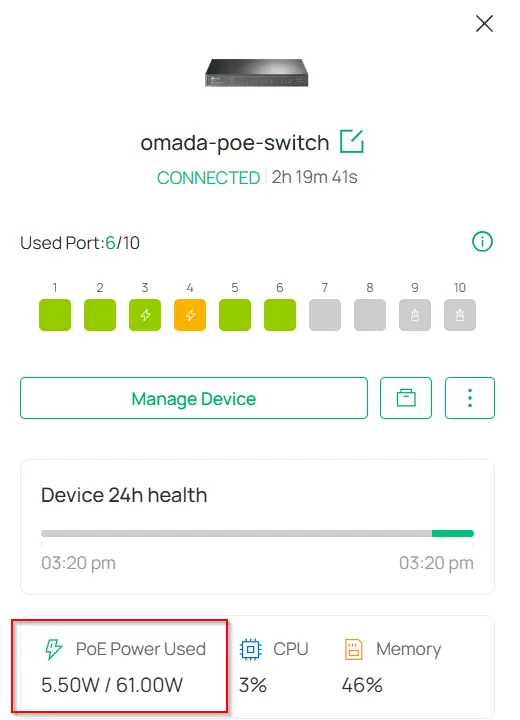
- Managed switch adopted into Omada, port map confirmed.
- Deco to AP mode.
- Move DHCP authority to the ER605, same subnet, same DNS server handed out (the VIP).
- Validate every dependent service before calling it done.
Validation, the actual work
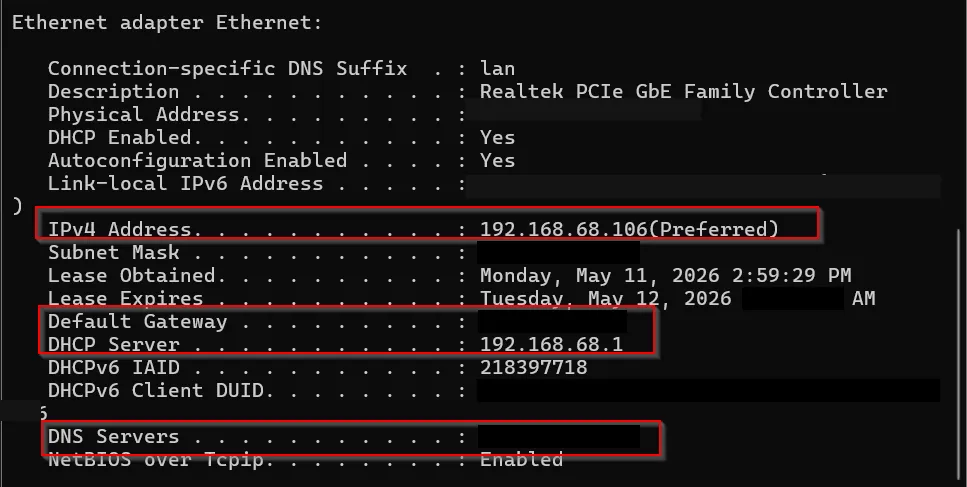
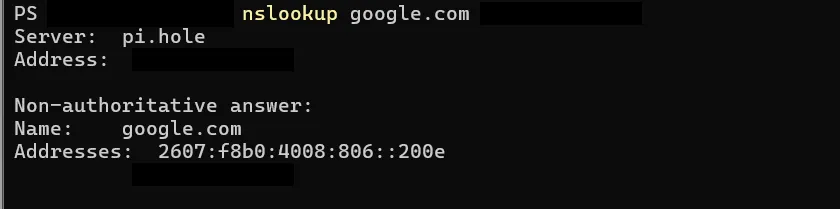
A cutover isn’t done when traffic flows. It’s done when you’ve proven the things that depend on it still work. After DHCP moved:
A client leases from the ER605:
DNS still resolves through the Pi-hole VIP:
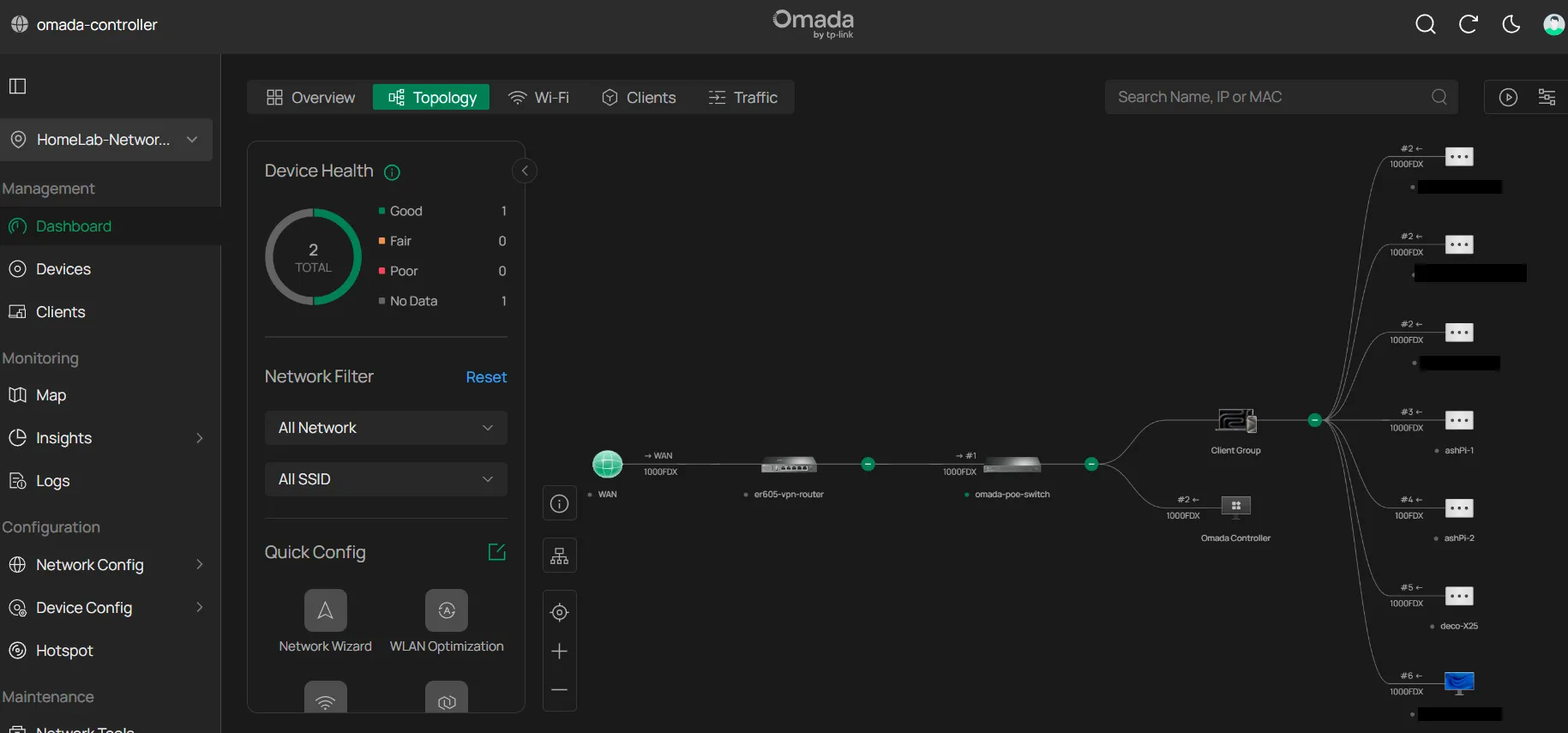
Then, one by one: the HA DNS VIP reachable, Pi-hole still logging queries, Proxmox reachable, Grafana loading, the Omada controller itself, RustDesk. Every service from Project 1, confirmed up on the new network.
What the managed stack buys
Beyond being a prerequisite for VLANs, the visibility changed day-to-day. The mesh app showed “devices.” Omada shows the router’s WAN state, the switch port map, which port powers what, PoE draw, and per-client connection detail. Those are the things you need when something’s wrong and you’re trying to find where.
Closing note
A few things I’d carry forward. Build on the resilient layer: the HA DNS VIP is what made a live DHCP cutover a non-event, because clients kept pointing at one address that kept answering. Keep the subnet the same and change one variable at a time, in this case who’s authoritative for routing and DHCP, not three at once. AP mode is the right bridge; it keeps the mesh’s coverage and drops its routing so the ER605 can take over cleanly. And validation is the deliverable. “It works” is a screenshot of every dependent service, not a ping.
Related posts: Moving my home network from Omada to UniFi, looking back, Swapping the network core without changing the network.